
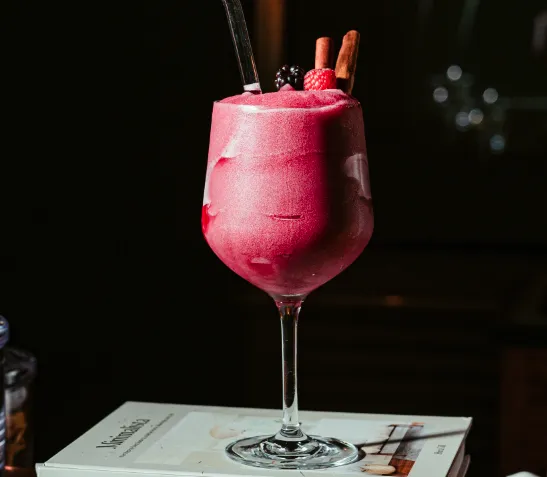
Replacing a synthetic red in an acidic beverage is not a simple one-for-one swap. A developer choosing a natural red food color needs to look at pH, heat, clarity, flavor system, and storage before deciding which pigment fits. FoodRGB lists Radish Red for beverage applications and gives it a working pH range of about 3.0 to 8.0. That flexibility is useful, but the final drink still needs testing because acids, minerals, fruit components, and sweeteners can change how the shade appears during early formulation work.
Red Radish Gives a Broad Working Range
FoodRGB describes Radish Red as water-soluble and available in several powder strengths, liquid versions, an oil format, and custom formulations. Its shades can move from red toward fuchsia as pH changes. The company also lists improved heat stability for one powder option, while its FAQ describes standard Radish Red as heat-resistant rather than fully heat-stable. That distinction matters when a beverage is pasteurized or hot filled. The useful test is the real process, followed by a color check after cooling on the line.
Red Cabbage Suits Acidic Systems
A Red cabbage concentrate gives developers another route to red and fuchsia tones. FoodRGB lists red cabbage as water-soluble, with powder, liquid, and custom formulations and a preferred pH range of about 3.0 to 5.0. The company describes it as heat-stable within that range and lists beverages, juices, frozen drinks, cocktails, mocktails, confectionery, and frosting among its applications. For a lower-pH drink, those characteristics make red cabbage worth comparing directly with radish rather than choosing by shade alone during early development.
Clarity Changes the Visual Result
Clear beverages reveal small differences that would disappear in an opaque product. A slight shift toward pink or purple can be obvious in flavored water, while juice solids or clouding agents may soften the same color. Developers should therefore judge each red in the complete beverage base, using the intended acids, flavors, minerals, and sweeteners. Comparing two or three concentrations side by side is often more useful than pushing one pigment to a stronger dose. The goal is a balanced shade that still looks natural in the finished drink.
Processing Can Separate Similar Reds
Two natural reds may look nearly identical before processing and behave differently after heat. Hot filling, pasteurization, cooling, and holding time can each affect the final appearance. Red cabbage is presented by FoodRGB as heat-stable around pH 3.0 to 5.0, while standard Radish Red is described more cautiously as heat-resistant. That difference can influence the starting choice, but it should not replace testing. Running both options through the planned production conditions gives the development team evidence from the actual beverage instead of relying only on specifications.
Mixing Order Deserves Attention
When the color enters the batch can affect how evenly it spreads and how long it faces heat or other stresses. A liquid color may be easy to meter into a beverage tank, while a powder may need proper pre-dispersion before addition. If a trial looks uneven, increasing dosage may hide a mixing problem rather than solve it. Developers can adjust addition order, mixing time or preparation method first. A consistent process matters more at commercial scale, where small laboratory shortcuts are harder to repeat across full production runs.
Packaging and Shelf Life Finish the Comparison
A fresh bottle does not tell the whole story. Clear packaging exposes a beverage to more light than a can or opaque carton, and over time, air and storage temperature can also affect appearance. FoodRGB lists strong light resistance for both Radish Red and red cabbage under their stated conditions, but manufacturers should still test the intended package. Keeping samples from pilot batches and reviewing them at planned intervals can reveal gradual fading or tone movement. Shelf testing often makes the better formulation choice much easier to see.
Conclusion
Replacing synthetic red color in an acidic beverage works best when the decision is based on the complete formula and process. Radish Red offers a broad stated pH range, while red cabbage is especially relevant to acidic systems around pH 3.0 to 5.0. Manufacturers can use foodrgb.com to review natural red options and technical support for beverage development. Testing both colors through mixing, processing, packaging and realistic storage gives teams a stronger basis for choosing a shade that remains consistent once production moves beyond the lab.