
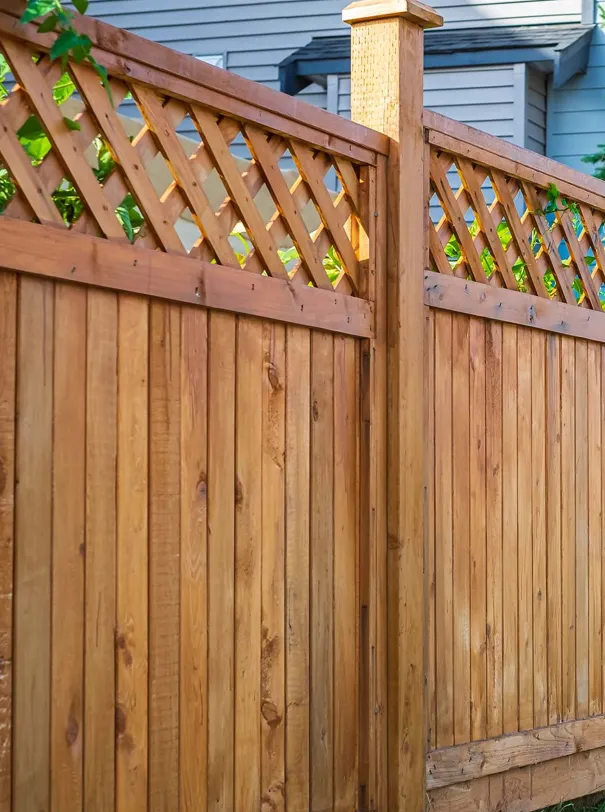
 A fence does more than define your property line. It can improve privacy, control access, protect children and pets, and create a more finished appearance around your home or business. In Houston, weather conditions also make material selection and installation quality important. High humidity, heavy rain, strong sunlight, and occasional storms can gradually affect posts, panels, hardware, and finishes.
Choosing a fencing company in Houston involves more than comparing installation prices. You should consider the property’s purpose, local conditions, fence material, drainage, maintenance requirements, and installation methods. A properly planned fence can perform reliably for years, while poor preparation may lead to leaning posts, loose panels, premature deterioration, or recurring repairs.
Common Fence Problems Houston Property Owners Face
Houston properties can experience several fencing challenges throughout the year. Heavy rainfall can saturate soil and reduce the stability of poorly installed posts. Gulf Coast expansive clay soil can shrink during drought and swell after rain, creating repeated ground movement that can cause fence posts to lean. Proper post depth and concrete footing practices are important for helping posts remain stable as soil conditions change.
Wind can place additional pressure on large fence panels, particularly when posts are not adequately secured. Hurricane and severe-storm wind loading can make post spacing, panel design, and fence construction important considerations. Fences with strategically designed gaps may allow more wind to pass through than solid panels.
Wood fencing may also require regular maintenance because moisture and sunlight can contribute to discoloration, warping, cracking, and decay. Metal fencing has different concerns, including surface corrosion and damaged protective coatings. Vinyl can resist moisture well, but impact damage or improper installation can still create problems.
Before replacing or installing a fence, inspect the property for conditions that could affect performance. Look for:
· Standing water or areas with poor drainage
· Soft or unstable soil
· Existing leaning posts
· Rotting or cracked fence boards
· Rust around metal components
· Damaged gates or hinges
· Trees and roots interfering with the fence line
Identifying these issues early helps prevent installation problems later.
Selecting a Fence Material for Your Needs
The right material depends on how you intend to use the fence. Wood remains popular when you want privacy and a traditional appearance. In Houston, cedar and treated pine are common wood fencing options. A standard privacy fence is often six feet high, although the appropriate height depends on property requirements and applicable restrictions. Wood offers flexibility in design but requires ongoing care to maintain its condition, while proper post setting remains important for reducing the risk of leaning.
Vinyl fencing is another option for homeowners who prefer a low-maintenance surface. It does not require routine painting or staining and can provide consistent privacy when designed with solid panels.
Metal fencing can be useful when visibility, durability, and security are priorities. Different styles can create an open appearance while still establishing a clear property boundary.
Your budget should not be the only consideration. Think about expected maintenance, privacy requirements, appearance, longevity, and how the fence will interact with your property’s landscape. Fence costs can vary by material, height, design, site conditions, and installation requirements, but homeowners may commonly encounter pricing in the range of roughly $20 to $50 or more per linear foot for installed fencing.
What to Evaluate Before Installation
A professional installation should begin with careful planning. The fence line should be measured accurately, property boundaries should be confirmed, and gates should be positioned where they provide convenient access.
This free service helps identify buried utilities and is an important step before excavation. You should also review HOA or deed restrictions when applicable, as they may regulate fence height, material, color, placement, and design across Houston-area master-planned communities.
You should also discuss drainage and ground conditions before work begins. Properly positioned posts, sufficient post depth, and suitable concrete footing practices can help reduce movement caused by expansive clay soil and changing weather conditions.
When evaluating a fencing contractor in Houston, TX, ask about material specifications, installation practices, project timelines, warranty coverage, and preparation requirements. Clear answers can help you understand what the project includes and avoid unexpected issues.
Maintaining Your Houston Fence
Routine inspections can extend the useful life of your fence. Check posts, panels, fasteners, gates, and drainage areas periodically. Remove vegetation that remains in constant contact with the fence, and address damaged components before small problems become larger repairs.
For wood fences, follow appropriate cleaning and sealing schedules. For metal fencing, watch for scratches or exposed areas where corrosion could begin. Vinyl fences generally need simple cleaning to remove dirt and buildup.
Fencing Contractor in Houston, TX: Make an Informed Decision
A durable fence starts with appropriate planning, suitable materials, and careful installation. Understanding Houston’s weather conditions and your property’s specific requirements can help you select a solution that balances appearance, privacy, security, and maintenance.
Whether you are replacing an aging fence or planning a new installation, working with a qualified Spring Klein Fence can help ensure that important site conditions and construction details are considered from the beginning. Before choosing a contractor, request a detailed estimate that covers materials, linear-foot pricing, post installation, footing requirements, gates, and other project-specific costs so you can compare options clearly.