
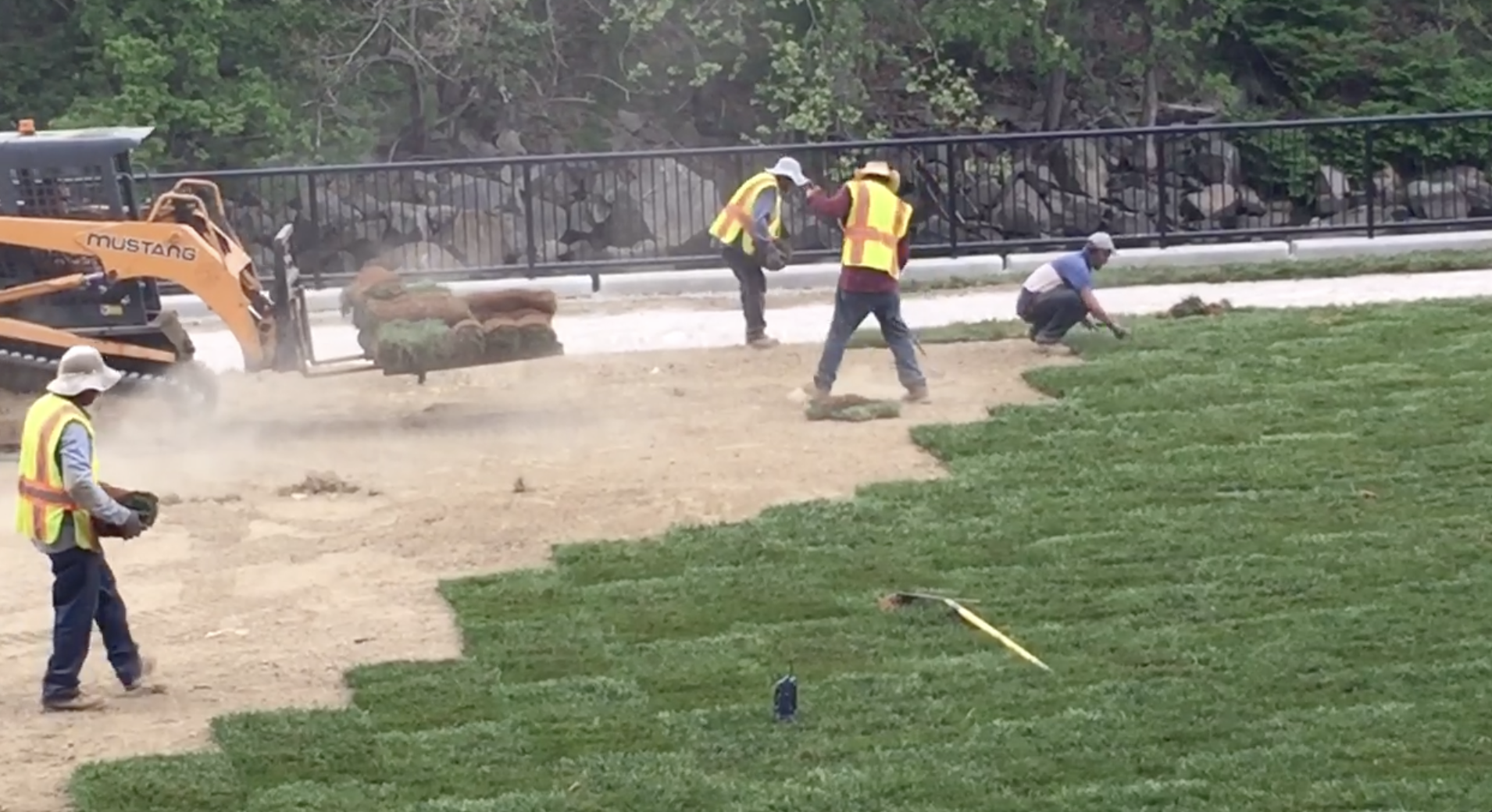
A healthy lawn begins with choosing quality sod and installing it the right way. Whether you’re replacing damaged grass or creating a new landscape, fresh sod provides an instant green appearance while helping establish a durable lawn faster than seeding. Springfield homeowners often deal with seasonal temperature changes, varying soil conditions, and occasional dry periods, making proper sod selection and installation even more important. Understanding the basics helps you avoid common mistakes and gives your lawn the strongest possible start.
Installing sod successfully requires more than simply rolling it onto the ground. Preparing the soil, selecting the appropriate grass type, and following a consistent watering schedule all contribute to long-term success. Choosing a turf farm in Springfield, VA allows you to find sod suited to local growing conditions, making it easier for roots to establish and thrive. With proper preparation and ongoing care, your lawn can develop into a dense, attractive outdoor space that remains healthy throughout the growing season.
Why Quality Sod Matters
Fresh sod creates an immediate lawn while reducing the waiting period associated with grass seed. However, not all sod performs the same. High-quality turf generally offers dense, even grass coverage, healthy root development, fewer weeds during establishment, better resistance to everyday wear, and faster adaptation to prepared soil.
Selecting healthy sod minimizes the chances of patchy growth and improves the lawn’s appearance from the beginning.
Preparing the Ground Before Installation
Proper soil preparation is one of the most important steps before laying sod.
Remove Existing Vegetation
Clear away old grass, weeds, rocks, and construction debris. A clean surface helps roots establish direct contact with the soil.
Improve Soil Quality
Loosen the top several inches of soil and mix in organic matter if needed. Well-drained soil with adequate nutrients encourages stronger root growth.
Grade the Surface
A smooth, level surface prevents water from pooling while creating an even finished lawn. Minor grading adjustments also improve drainage around sidewalks and foundations.
Choosing the Right Grass Variety
Different grass types perform better under specific conditions. For Virginia transition-zone lawns, the client’s tall turf-type fescue blended with Kentucky bluegrass provides a suitable combination for local growing conditions. Consider factors such as sunlight exposure, foot traffic, irrigation availability, soil drainage, and seasonal climate when selecting the appropriate sod.
Selecting grass suited to your property increases the likelihood of long-term success while reducing maintenance requirements.
Best Practices for Sod Installation
Installing sod correctly helps roots establish quickly.
Lay Sod Immediately
Fresh sod should be installed soon after delivery to prevent drying.
Stagger the Seams
Arrange sod pieces in a brick-like pattern rather than aligning seams in straight rows. This improves stability and creates a more natural appearance.
Eliminate Air Pockets
Press sod firmly against the soil using a lawn roller or by walking carefully across installed sections. Good soil contact supports faster rooting.
Water Thoroughly
Water immediately after installation until both the sod and underlying soil are evenly moist. Consistent watering during the first several weeks is essential.
Caring for Your New Lawn
Proper maintenance helps new sod transition into a permanent lawn.
Follow a Watering Schedule
Water frequently during establishment, then gradually reduce frequency while increasing watering depth to encourage deeper root systems.
Delay Heavy Foot Traffic
Avoid excessive walking or placing heavy objects on newly installed sod until roots become firmly established.
Mow at the Right Time
Wait until the grass reaches an appropriate height and roots hold firmly before mowing. Sharp mower blades produce cleaner cuts and reduce stress.
Apply Fertilizer Carefully
Use fertilizer according to seasonal recommendations and avoid overapplication, which can damage young grass.
Common Mistakes to Avoid
Several installation errors can affect long-term lawn health. Avoid installing sod over compacted soil, leaving gaps between rolls, allowing sod to dry before installation, using inconsistent watering, mowing too early, or ignoring drainage problems.
Avoiding these issues improves establishment and supports healthier growth.
Long-Term Benefits of Healthy Turf
Properly installed sod provides lasting lawn coverage and can support a healthy, usable landscape when maintained correctly. Routine maintenance, seasonal watering adjustments, and timely mowing help preserve lawn quality year after year.
Ordering Sod From a Turf Farm
Choosing sod from a turf farm in Springfield, VA also requires planning before installation. Start by measuring the lawn area in square feet so you know how much sod is needed. Determine how much area each pallet covers and order enough material to account for the total square footage of the project.
Because sod is cut to order, plan ahead rather than waiting until the installation date to place an order. Availability, pickup by appointment, delivery requirements, minimum order breaks, and pallet pricing are also important details to confirm when ordering.
For additional convenience, consider whether pickup or delivery is more practical for the project and confirm the applicable order requirements before scheduling installation.
Certification and Delivery Warranty
When selecting a turf supplier, certification and delivery policies can provide additional confidence in the quality of the sod. The client’s turf is produced using VA and MD certified seed, and the company provides a 24-hour delivery warranty. These details offer concrete quality and service assurances when planning a new lawn.
Conclusion
Creating a healthy lawn starts with proper planning, careful installation, and consistent maintenance. Choosing quality sod, selecting an appropriate tall turf-type fescue and Kentucky bluegrass blend, preparing the soil thoroughly, and following recommended watering practices all contribute to successful establishment. Working with a turf farm in Springfield, VA helps ensure you select sod suitable for local conditions, while planning ahead for pallet coverage, pricing, pickup or delivery, and ordering requirements gives your lawn the best opportunity to grow strong, resilient, and attractive throughout every season.